

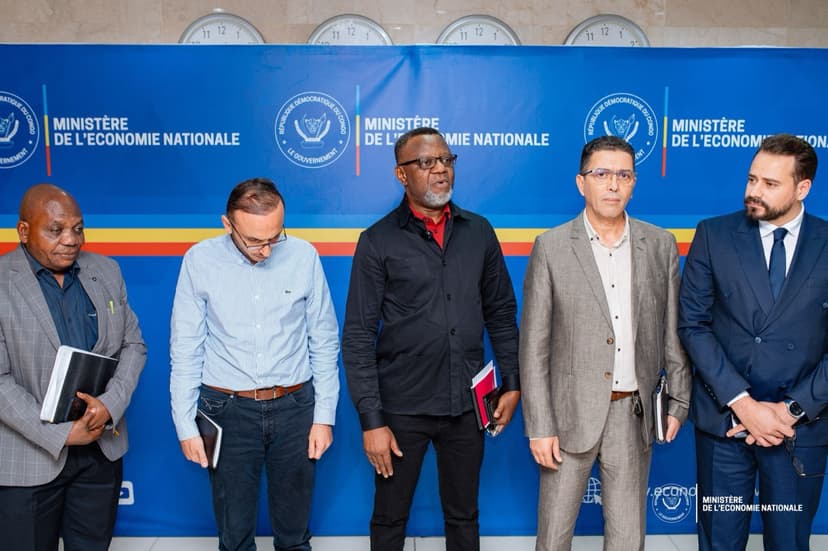
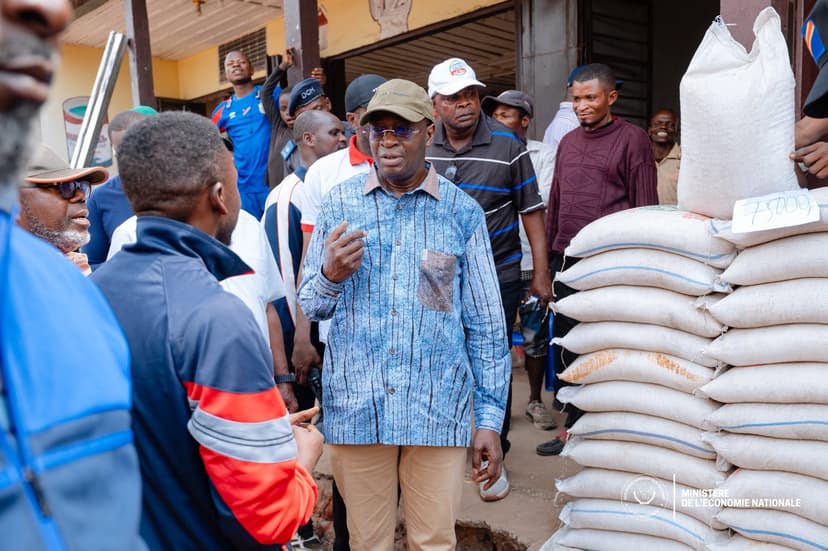
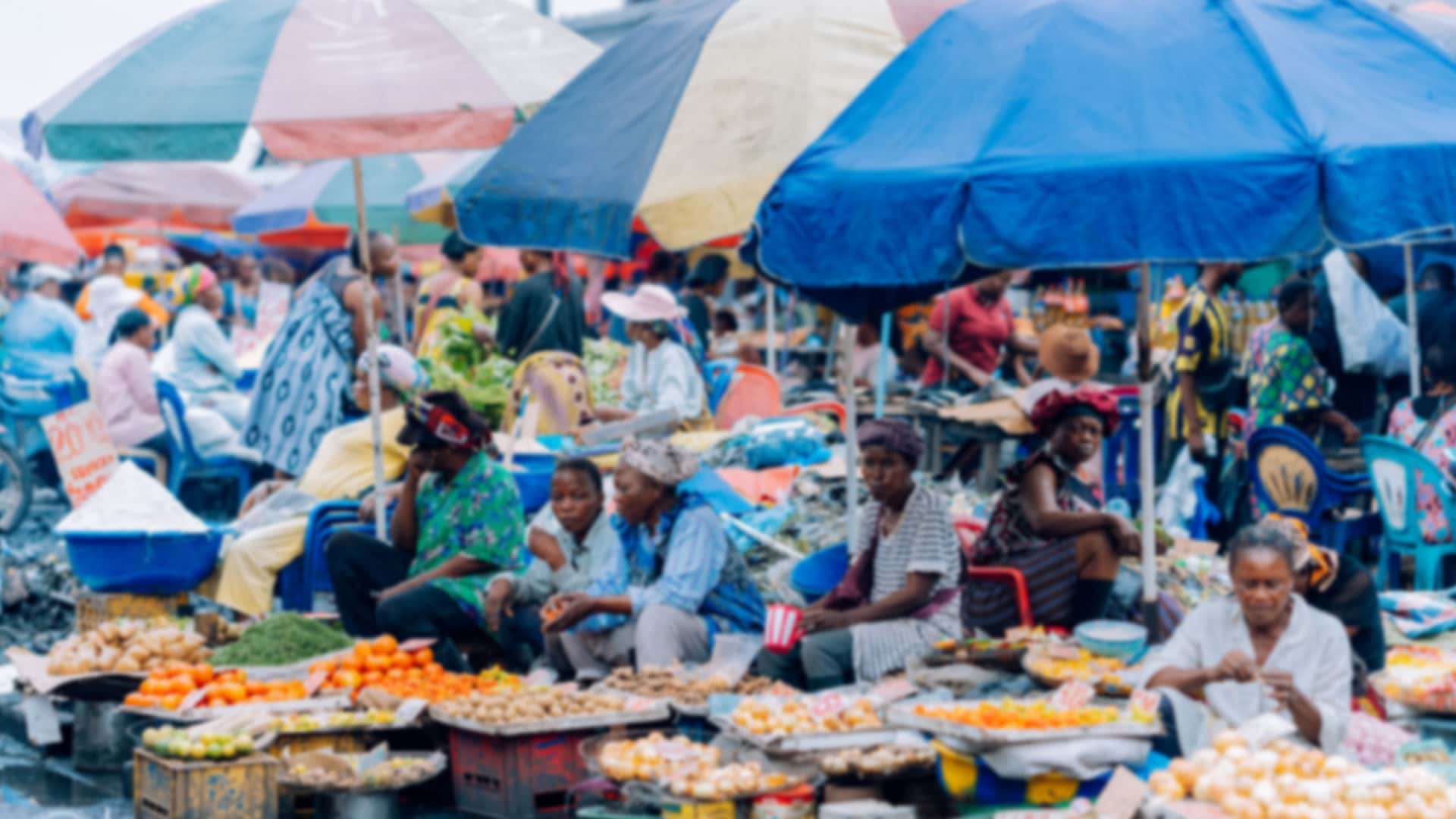

From 14 to 24 June 2026, the Deputy Prime Minister, Minister of National Economy, Daniel Mukoko Samba, led a ten-day economic mission to the provinces of Sankuru and Tshuapa. Travelling by road, river and air, the delegation covered several hundred kilometres to assess infrastructure, engage in dialogue with local communities and identify the obstacles to the development of these two provinces in the centre of the DRC.
Considerable but underexploited potential
Fertile farmland (cassava, maize, rice, cocoa, coffee, oil palm, soybeans, market gardening), forest resources, river networks and a strategic geographical position: Sankuru and Tshuapa possess major natural assets. Yet this wealth remains insufficiently developed, owing to the lack of effective links between production areas and consumer markets.
Isolation, the main obstacle
Throughout the stages of the mission — Lodja, Lomela, Tshumbe, Onalua, Lusambo, Boende, Monkoto, Bokungu — one finding became clear: isolation remains the main obstacle. Deteriorated roads, difficult river navigation, limited air services and inadequate energy infrastructure drive up transport costs, penalise producers, push up prices and limit investment.
Reducing the cost per kilometre
The Ministry has made lowering logistics costs a priority: rehabilitation of national roads and agricultural feeder roads, modernisation of ports, strengthening of river transport, revival of energy projects and improvement of air connectivity.
Adding value to local production
The mission confirmed the strong agricultural capacity of both provinces, illustrated in particular by the INERA research station at Mukumari. In Bokungu, women’s market-gardening associations expressed their needs for improved seeds and equipment; the Deputy Prime Minister announced initial support for their production capacity, with interventions to be gradually expanded.
A vision for the heart of the Congo
Beyond these two provinces, the mission reflects a conviction: the development of the DRC also depends on harnessing its inland potential. The economic integration of the central provinces will strengthen national food security, diversify growth poles, reduce territorial disparities and bring lasting improvements to people’s living conditions.
Related articles
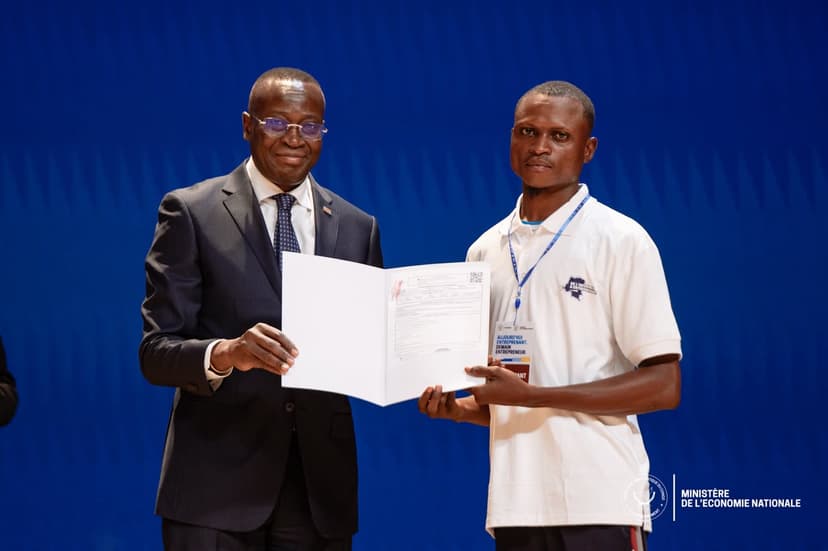
Formalisation of the informal economy: a new milestone reached in the DRC
On Thursday, 12 November 2026, the Ministry of National Economy held, at the Kinshasa Financial Centre and under the High Patronage of Prime Minister Judith Sum…

At KBM 2026, Daniel Mukoko Samba champions the vision of a DRC focused on industrialisation and value creation
Deputy Prime Minister Daniel Mukoko Samba represented the Prime Minister at the Katanga Business Meeting 2026 in Kolwezi. He emphasised the strategic role of th…

DRC–Angola Economic Forum, held on 1 and 2 April 2026 in Kinshasa
The DRC–Angola Economic Forum, held on 1 and 2 April 2026 in Kinshasa, marked a major milestone in strengthening economic cooperation between the Democratic Rep…
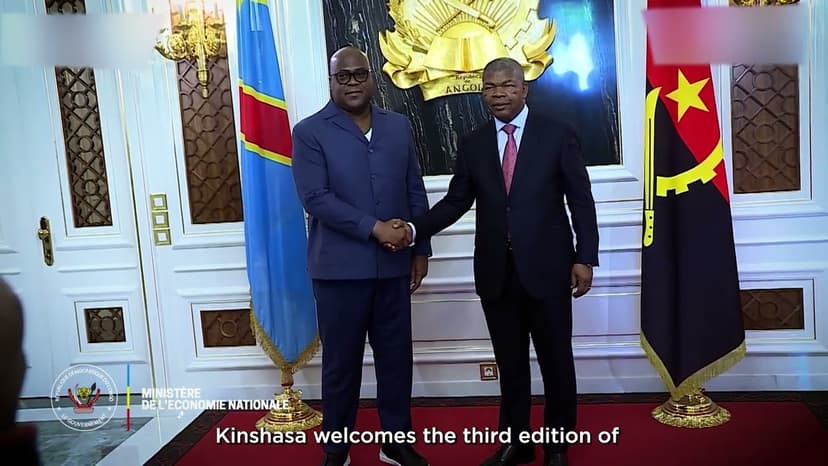
DRC–Angola Economic Forum 2026
The Democratic Republic of the Congo will host the 3rd edition of the DRC–Angola Economic Forum on 1 and 2 April 2026 at the Golden Tulip Hotel in Kinshasa. Thi…

FEC New Year's Greetings Ceremony
The Deputy Prime Minister and Minister of National Economy, Daniel Mukoko Samba, attended the 2026 New Year’s greetings ceremony organised by the National Hydro…
Essor Économique
Discover the new issue of Essor Économique, devoted to losses and revenue shortfalls in the oil sector.