
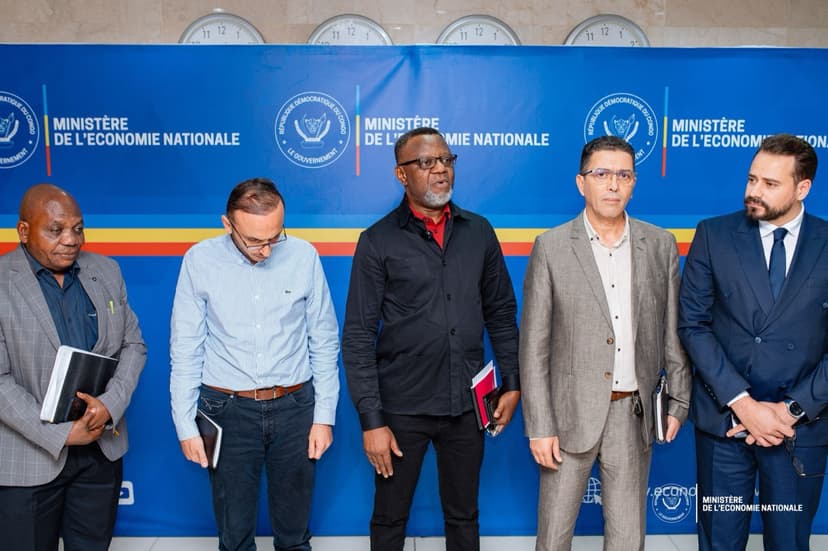
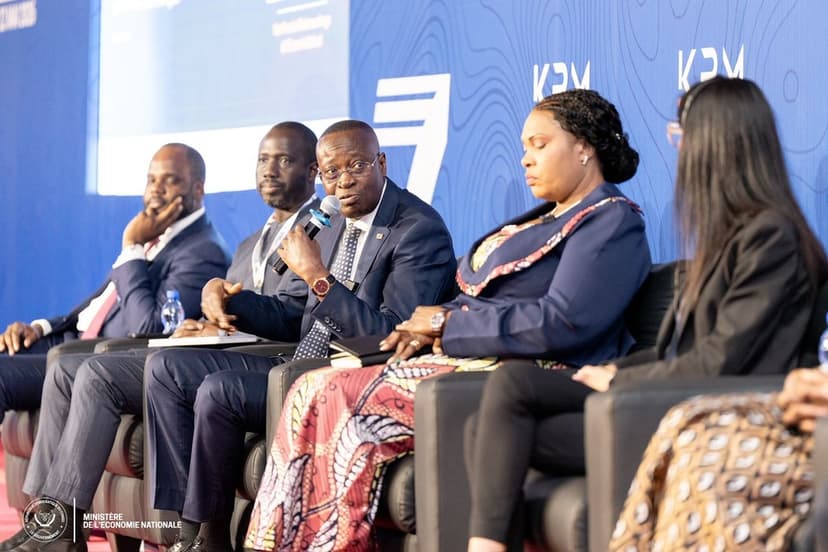

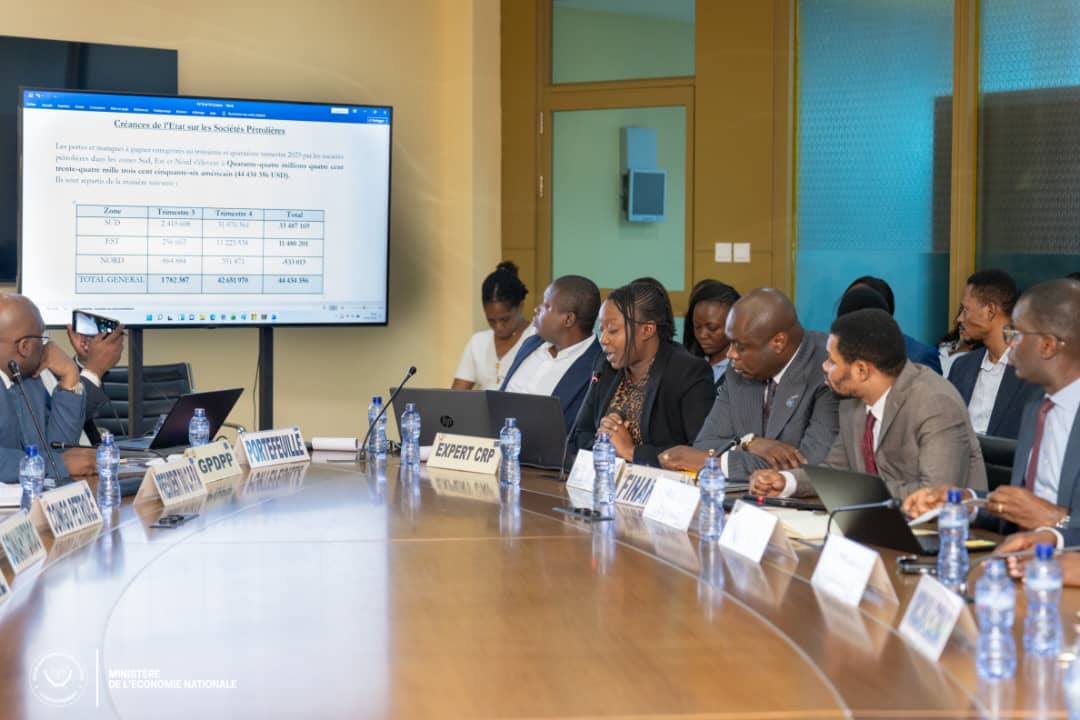
On Thursday, 19 February 2026, in Kinshasa, the Petroleum Products Price Monitoring Committee (CSPPP) certified an overall gain of 44,434,356 US dollars for the Congolese State for the second half of 2025, covering the Southern, Eastern and Northern consumption zones.
This certification follows a gain of USD 22,311,802.43 recorded by the Western zone in the fourth quarter of 2025, thus confirming a new momentum in the management of the Losses and Revenue Shortfalls (PMAG) mechanism.
A significant development in the management of PMAG
The certified amounts reflect a notable development in the determination of PMAG. Long characterised by heavy costs for public finances, the mechanism is now generating positive results for the Public Treasury.
This performance confirms the progress achieved in terms of:
control of technical parameters;
transparency of calculations;
rigorous monitoring of economic data;
strengthened inter-institutional coordination.
The work of the CSPPP is now based on certified parameters, greater data traceability and a consolidated methodology, leading to objectively verifiable results.
A “win-win” dynamic
Speaking on behalf of the oil operators of the Southern, Northern and Eastern zones, the Chairman of the Hydrocarbons Commission of FEC/Haut-Katanga, Joseph Twite Maloba, welcomed the progress of the process.
“We are pleased with these results. We are in a win-win situation and, at present, it is the government that holds a claim on us, the oil companies. The figures speak for themselves. We believe that the work must continue in this spirit of transparency and prompt payment of PMAG.”
This public acknowledgement illustrates the gradual stabilisation of the mechanism and the establishment of a climate of trust between the State and operators in the downstream oil sector.
Clear guidelines from the Government
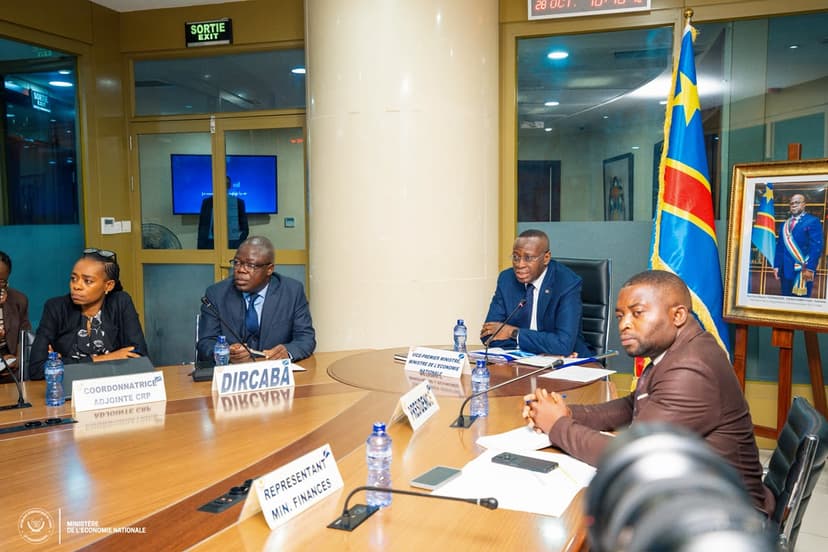
Attending this session, the Coordinator of the Strategic Products Price Regulation Committee (CRP) reiterated the guidelines of the Deputy Prime Minister, Minister of National Economy, Professor Daniel Mukoko Samba.
These guidelines are based on three fundamental principles:
the determination of fair prices;
the certification of fair gains;
the rigorous assessment of fair losses and revenue shortfalls.
The objective remains unchanged: to preserve the purchasing power of the population while rationalising public expenditure, in order to contribute to the country’s macroeconomic stability.
These actions are in line with the directives of His Excellency the President of the Republic, Félix Antoine Tshisekedi Tshilombo, regarding fundamental economic balances.
2025: a turning point in oil sector governance
Overall, 2025 marks a decisive turning point in the determination of losses and revenue shortfalls. The reforms undertaken have gradually transformed a mechanism that historically generated costs into a system producing gains for the Congolese State.
These results are the outcome of:
strengthened governance;
enhanced technical oversight;
close coordination among the ministries concerned;
and the active involvement of financial institutions, notably the Central Bank of Congo (BCC).
Broad institutional participation
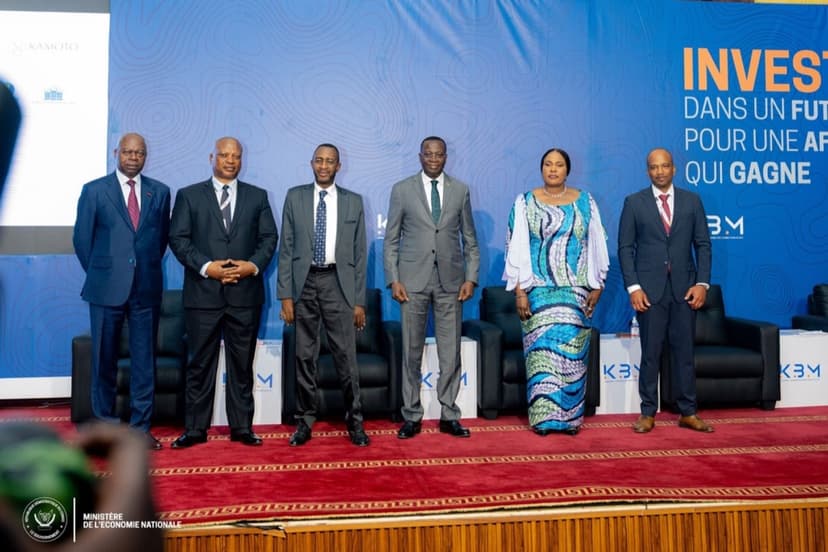
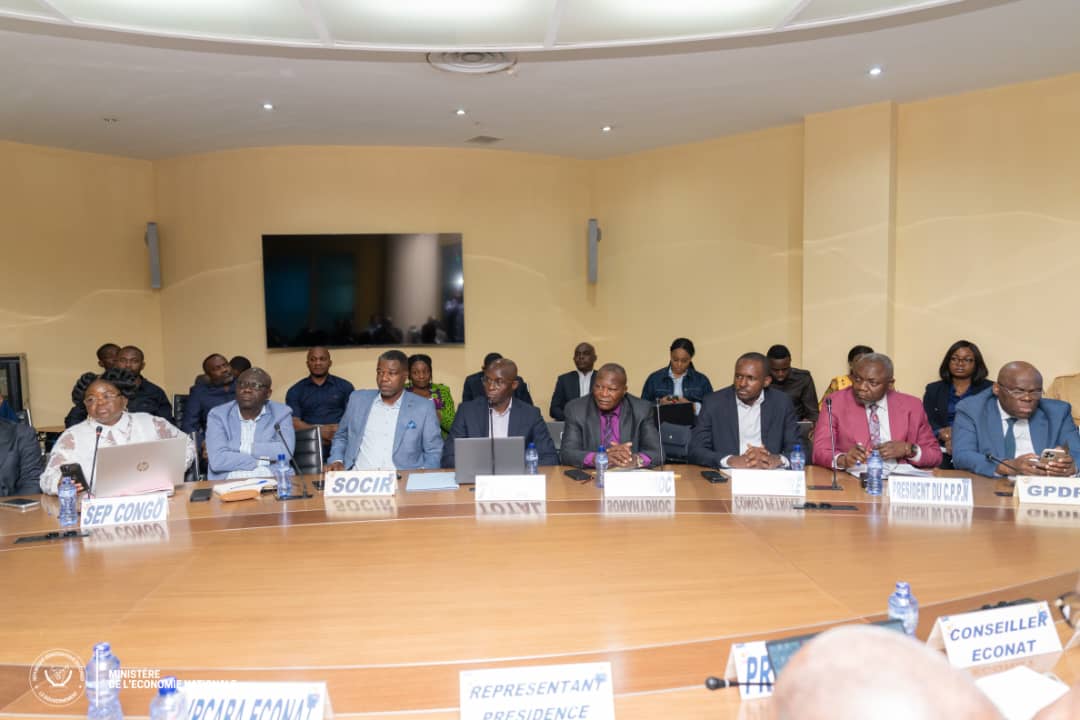
The proceedings were attended by representatives of:
the Presidency of the Republic;
the Office of the Prime Minister;
the Ministries of National Economy, Hydrocarbons, Finance and Portfolio;
the Central Bank of Congo;
as well as representatives of the oil industry.
This multi-stakeholder approach consolidates the credibility of the process and strengthens the transparency of the mechanism.
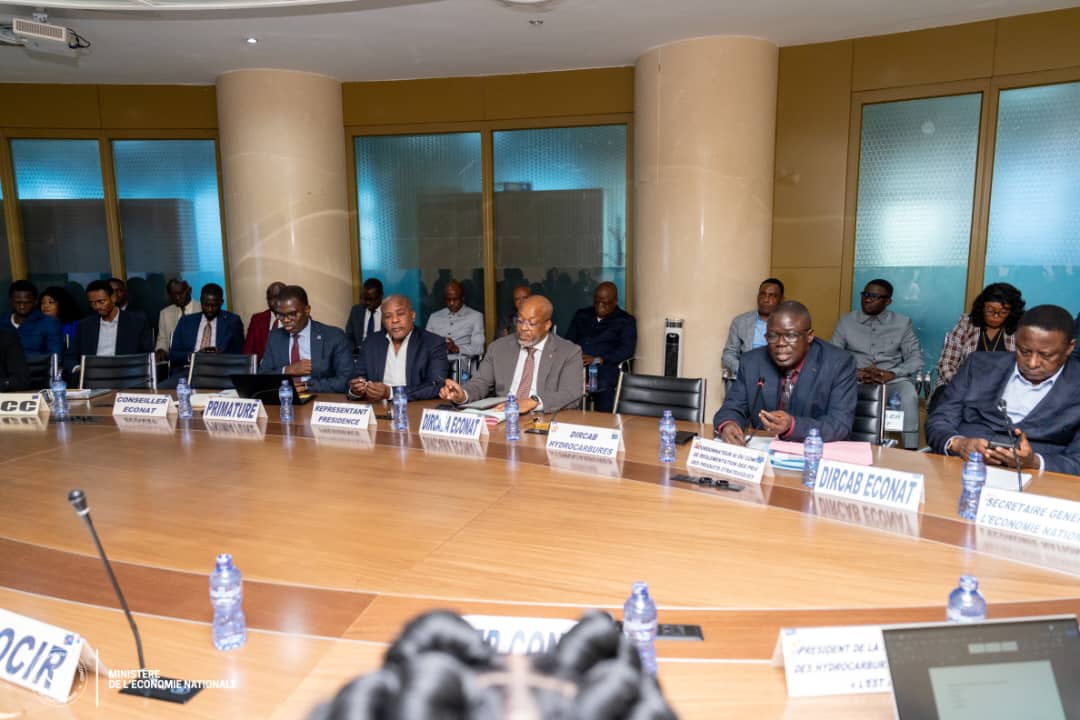
The certification of the USD 44.4 million for the second half of 2025 thus confirms the gradual consolidation of a more rigorous and more transparent oil regulation model that is more favourable to public finances.
Related articles
Deputy Prime Minister Daniel Mukoko Samba presents the first semi-annual report on the economy and the territories
The Deputy Prime Minister, Minister of National Economy, Daniel Mukoko Samba, presented his first semi-annual report on the economy and the territories on Frida…
Formalisation of the informal economy: a new milestone reached in the DRC
On Thursday, 12 November 2026, the Ministry of National Economy held, at the Kinshasa Financial Centre and under the High Patronage of Prime Minister Judith Sum…
United States-DRC Partnership: Joint Statement of the Joint Steering Committee Meeting Held in Paris
JOINT STATEMENT ON THE OCCASION OF THE SECOND MEETING OF THE JOINT STEERING COMMITTEE BETWEEN THE UNITED STATES OF AMERICA AND THE DEMOCRATIC REPUBLIC OF THE CO…
Oil sector reform: the IMF welcomes the progress made by the Congolese Government
As part of the fourth annual review of the DRC’s economic and financial programme, the Deputy Prime Minister, Minister of National Economy, Daniel Mukoko Samba,…

Economic Sector Governance: Daniel Mukoko Samba's Ambitious Reforms Driving the DRC's Economic Catch-Up
For the taxi driver who dreads every rise in fuel prices, the mechanic in Kasa-Vubu who dreams of obtaining a loan to expand his workshop, or the trader who wis…
DRC-United States Strategic Partnership Agreement: Inaugural Meeting of the Grand Inga Project Coordination and Governance Committee Held in Paris
Grand Inga: the DRC and the United States take a new step in implementing their strategic partnership. On Monday, 26 October 2026, the Democratic Republic of th…